From the sea to mixed tournaments: the amateur shift in FIPAV volleyball
Amateur mixed volleyball steps up a gear with the new FIPAV Open Mixed Championship. Find out how to participate with your friends and the technical details to take the court.
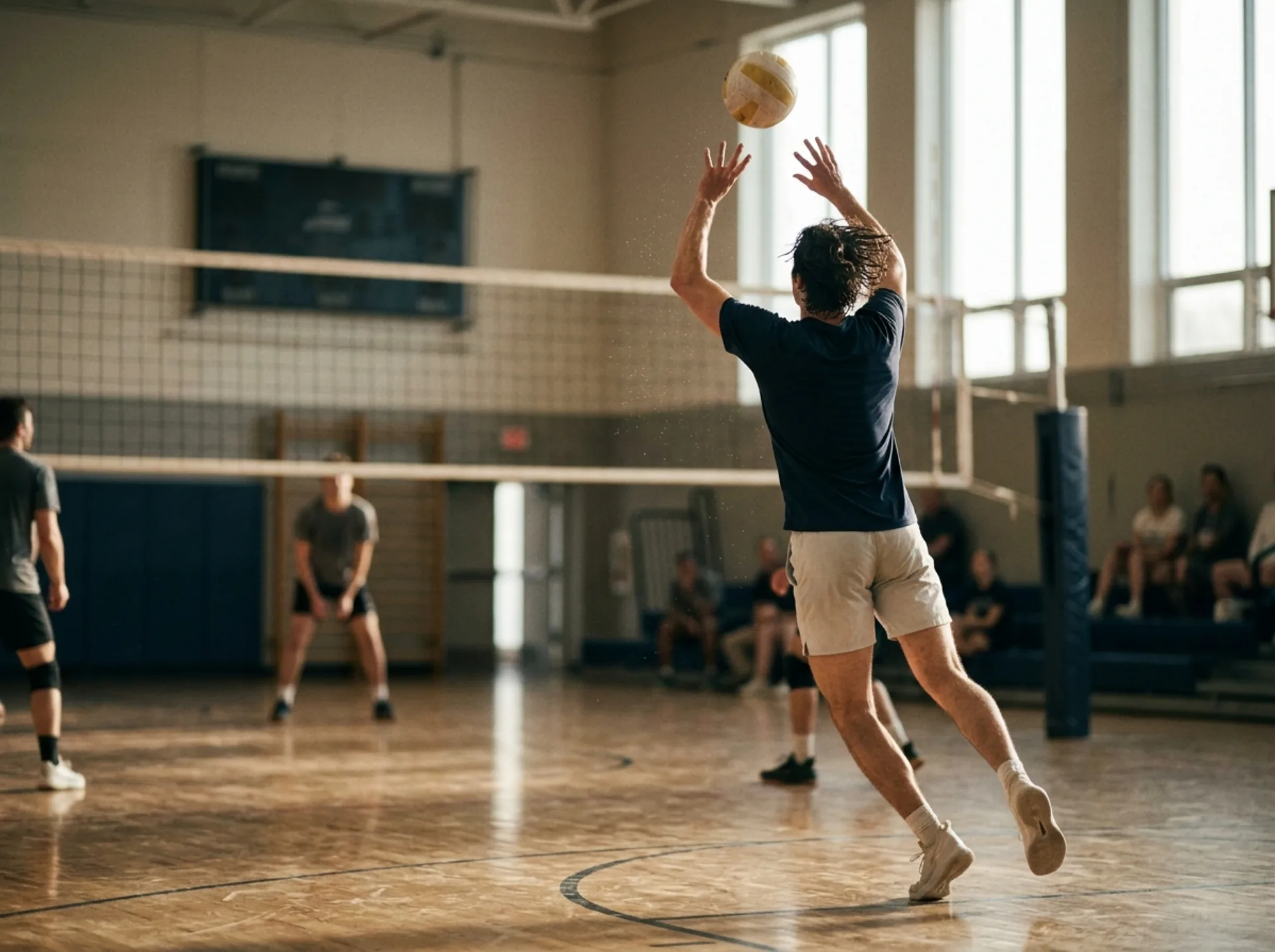
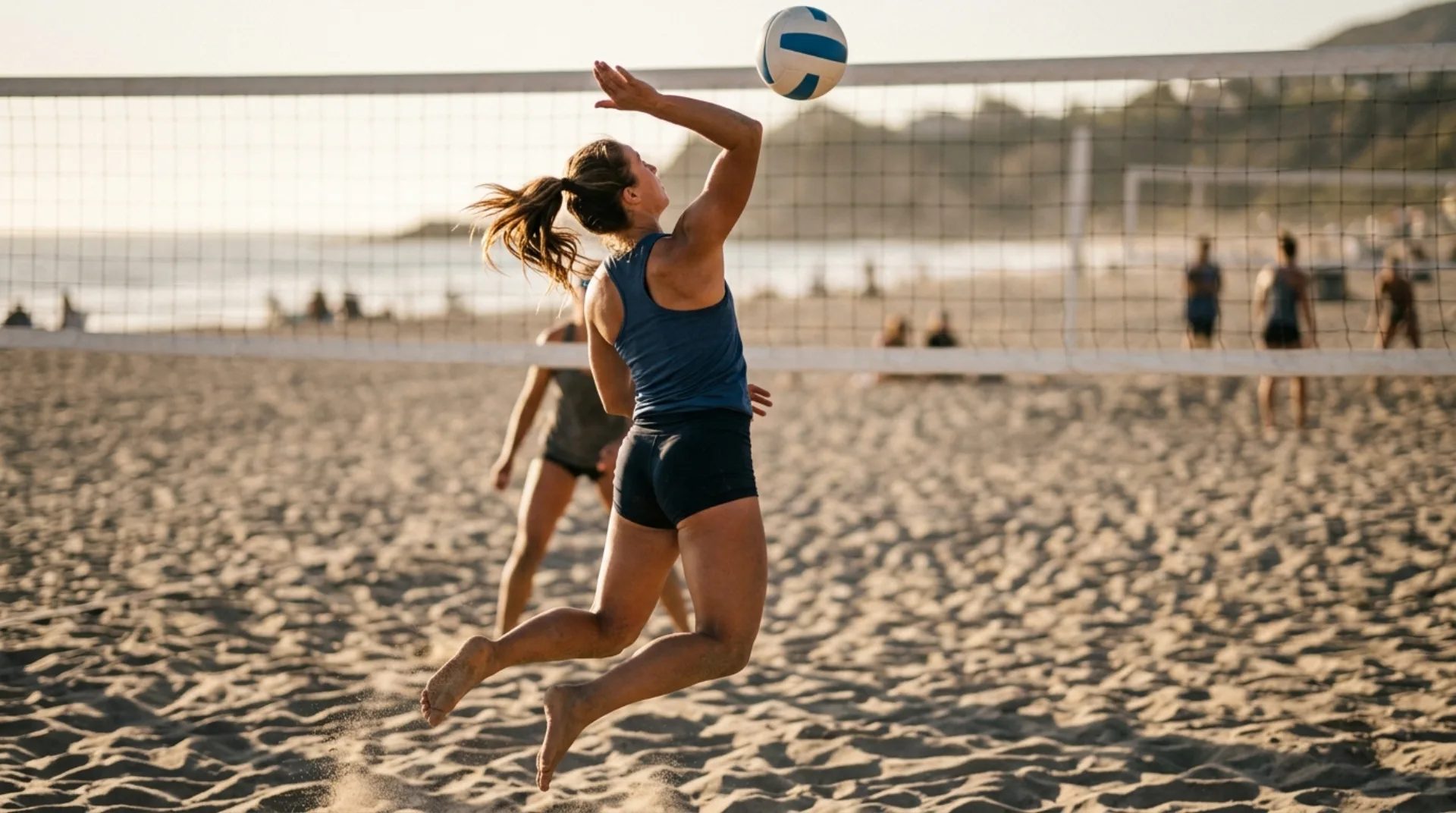
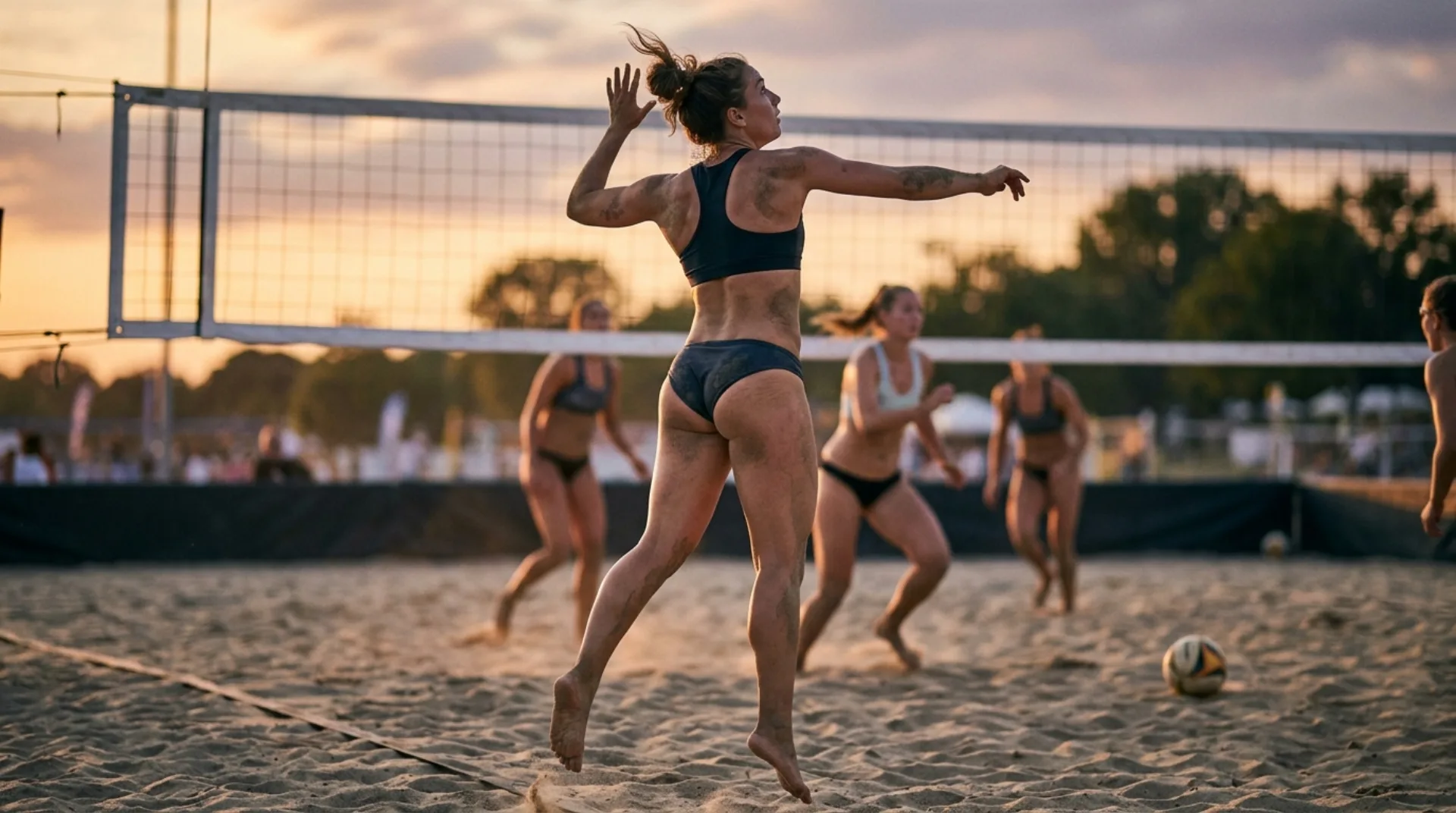
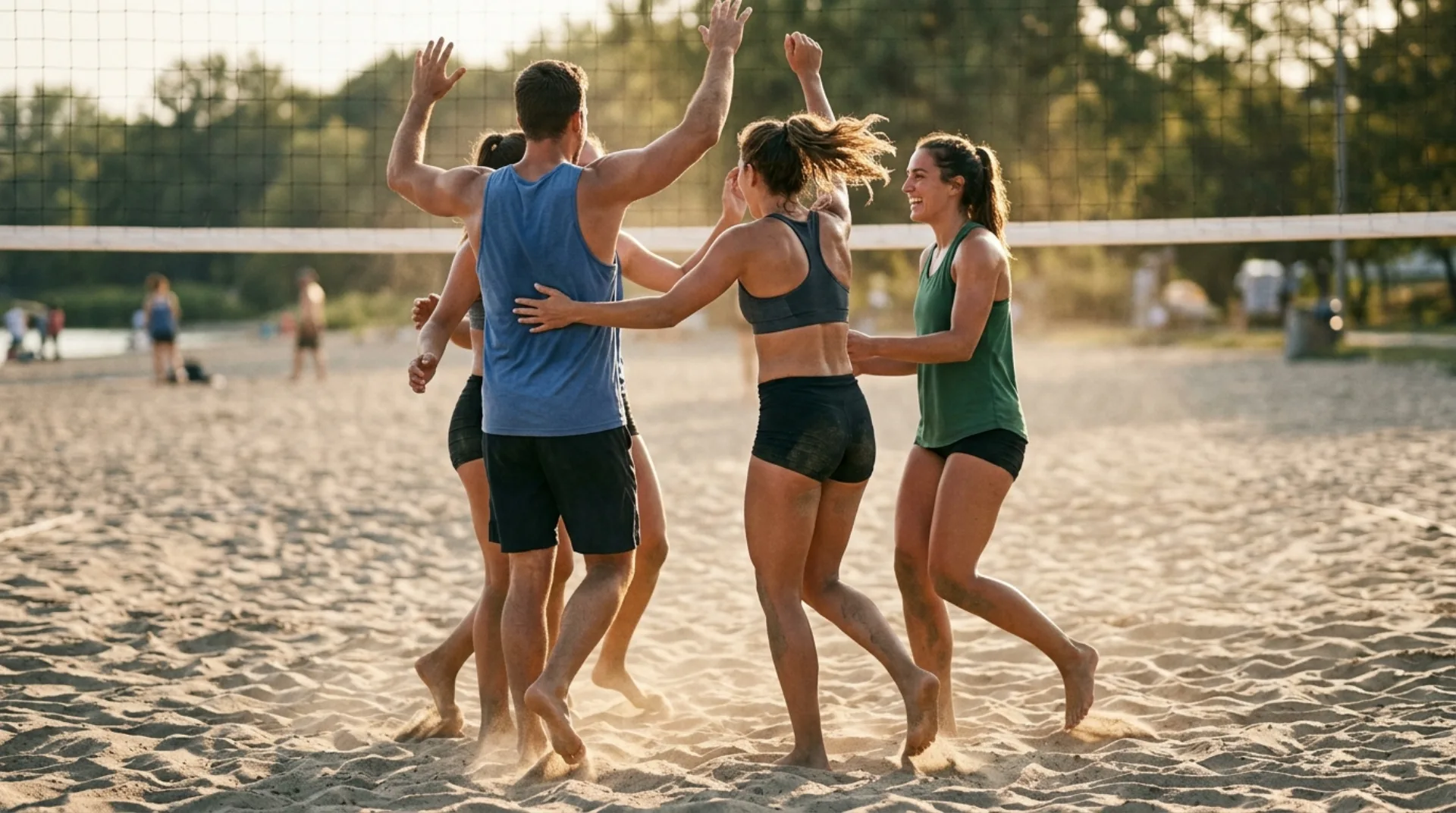
The end of summer does not mean stopping playing, but transferring the energy of the sand directly inside the gyms. The real novelty of this season is the official shift in amateur mixed volleyball, which allows groups of friends to challenge each other in a real regulated championship without the complications of traditional bureaucracy. If you spent the warm months spiking under the sun, this is the ideal time to plan indoor activity with your team.
Volleyball fever from Naples to the national finals
Enthusiasm for volleyball is reaching extremely high peaks all over Italy, driven also by the major events of this period. In Naples, anticipation is growing for the opening match of EuroVolley 2026, scheduled for 10 September 2026 in the splendid setting of Piazza del Plebiscito, where a temporary arena with as many as 6,500 seats will be set up. This incredible atmosphere has infected many enthusiasts: just in August, Napoli Pallavolo ASD opened registrations for amateur mixed courses for adults at the Portici and Ponticelli venues, offering the ideal opportunity for those who want to continue having fun after the summer tournaments on the sand.
The proof that the amateur movement is serious also comes from the official results on the court. Last June, precisely from 11 to 14 June 2026, the Apulian team Specchia became Champions of Italy, winning the gold medal at the national finals of the first historic edition of the FIPAV Open Mixed Championship held in Campobasso. An extraordinary achievement that shows how mixed volleyball is no longer just an occasional pastime, but a structured competition with a real national title at stake.
The rules of the game and the registration breakthrough
The real revolution for teams of friends is the bureaucratic simplification recently introduced. On 7 August 2026, the FIPAV Territorial Committee of Roma published Official Communiqué number 2, effectively opening registrations for the 2026/2027 Open Mixed Championship, with a deadline set for 30 November 2026. The novelty most appreciated by amateur groups is the absence of the obligation to have a registered coach sitting on the bench, leaving the management of the team completely autonomous and self-managed.
As for the technical details on the playing court, the Open Mixed formula requires the simultaneous presence on the court of 3 men and 3 women. The dimensions of the playing court follow the standard ones of 6-a-side volleyball, i.e. a rectangle of 18x9 metres. The net is placed at a height of 2.43 metres for men's matches and 2.24 metres for women's. However, regarding the specific height of the net in mixed championships or the requirements of the balls to be used for different age groups, the value must be checked in the event regulations, as it may undergo local adaptations. Matches are played to the best of sets to 25 points, with at least a two-point lead, and any deciding set is played as a tie-break to 15 points.
What amateur players usually get wrong
In amateur mixed tournaments, we often see the same tactical mistakes that compromise both fun and the final result. The most common mistake is the tendency of male players to invade their female teammates' space, trying to cover too large areas of the court in reception or defence. This behaviour not only creates confusion in movements and collisions in the middle of the court, but also takes away the rhythm of the game and demotivates the female players on the court.
Another typical mistake concerns the management of the set during the attacking phase. Many amateur setters tend to serve almost exclusively the male attackers in the front row, ignoring the attacking options of the female players. In modern volleyball, even at amateur level, variety in play is the winning weapon: exploiting the entire width of the net confuses the opponent's block and makes the action much more fluid and fun for the whole team.
Practical tips to take the court and improve immediately
To be ready for the first starting whistles of the championship, you need to work on a few technical but essential elements. Here is a practical guide to correct the most frequent flaws during training:
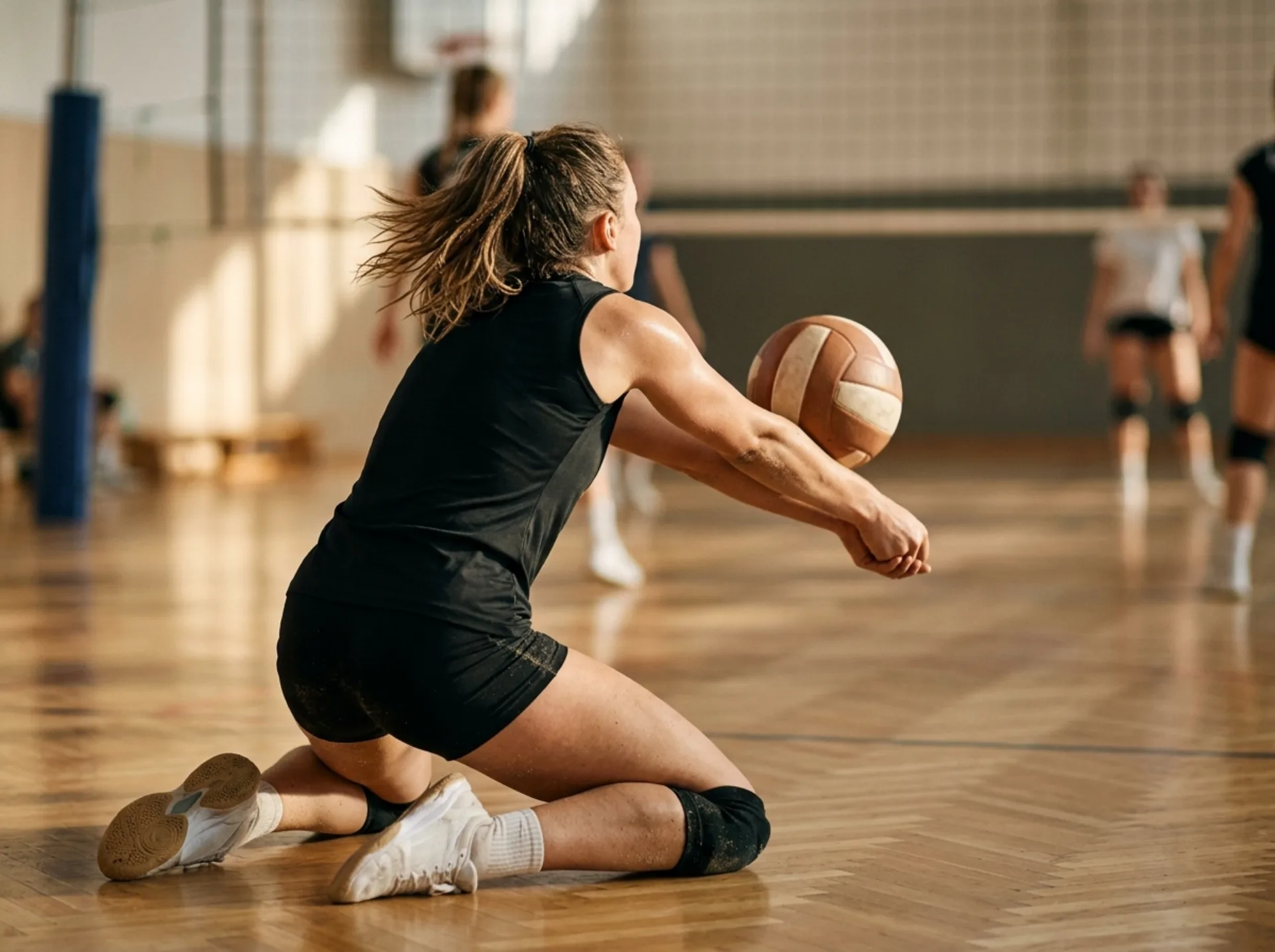
- The flat reception forearm pass: Many amateurs bend their elbows when impacting the ball, causing it to fly backwards. The correct gesture involves straight arms, wrists together and pointing downwards, creating a solid and uniform impact surface to direct the ball to the setter.
- The ready position in defence: Remaining stiff on your legs prevents you from reacting quickly to short tips. To correct this flaw, keep your knees slightly bent and your body weight shifted forward on the balls of your feet, ready to spring in any direction.
- Communication on short balls: Trajectories falling in the middle of the court between the front and back rows are often a source of collision. Establish a clear rule: the short ball is the responsibility of the player in the advanced defensive position, unless there is a timely vocal call from a teammate.
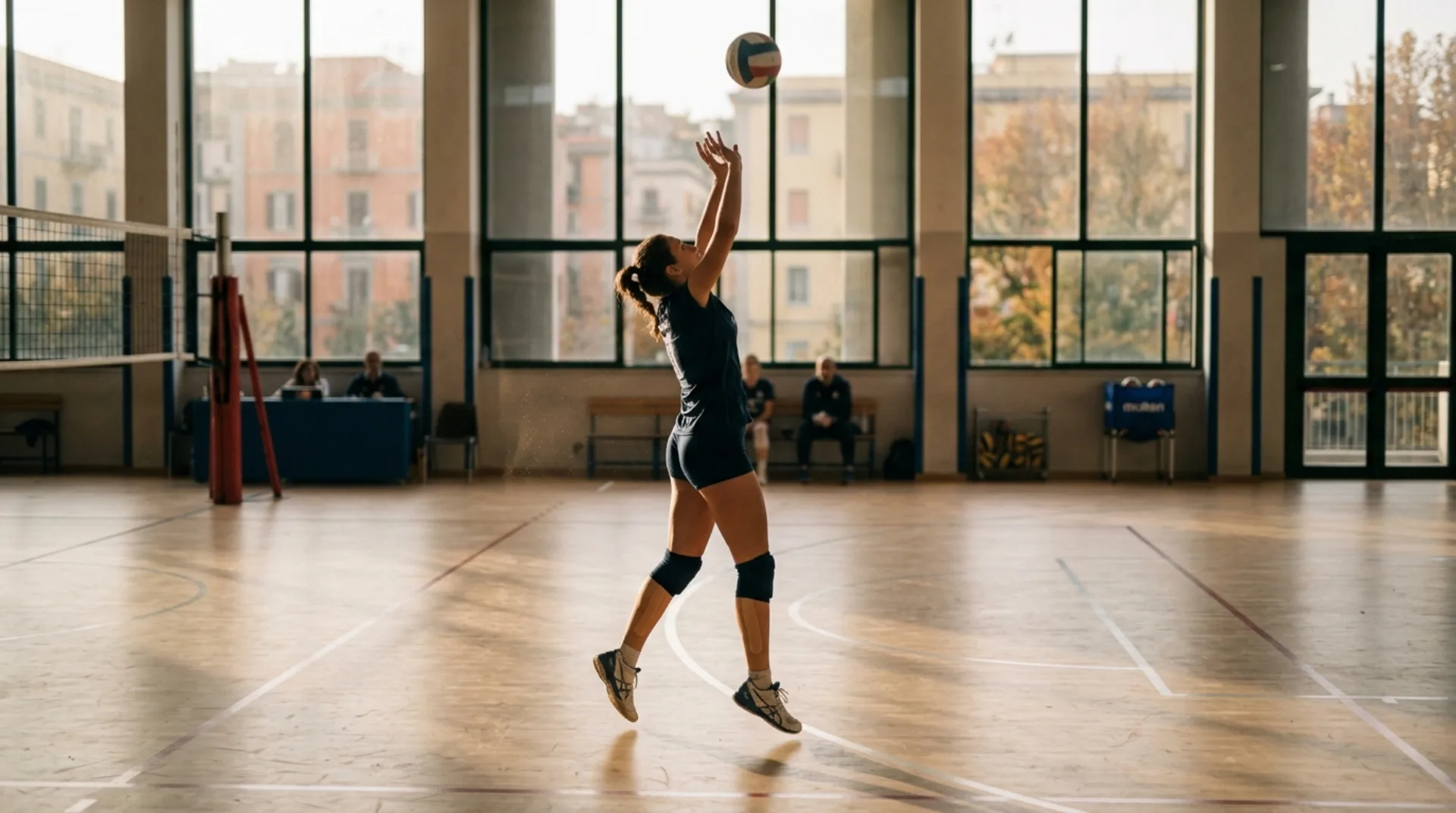
- The safety serve: Missing a serve after a timeout or at the end of a set is a serious mistake that gives away easy points. If you have not mastered the jump serve, a safe overhand serve with your feet on the ground is preferable, aiming at the conflict zones between the opposing receivers.
How to organise your team without stress
Moving from summer games on the sand to the parquet of a championship requires a good deal of logistical organisation. Managing availability for evening training sessions, collecting documents for medical registrations and planning away matches at various facilities can become complex if managed on classic messaging groups. Coordinating clearly allows everyone to experience the season with the right spirit, aiming to improve match after match, just like the champions of Specchia did.