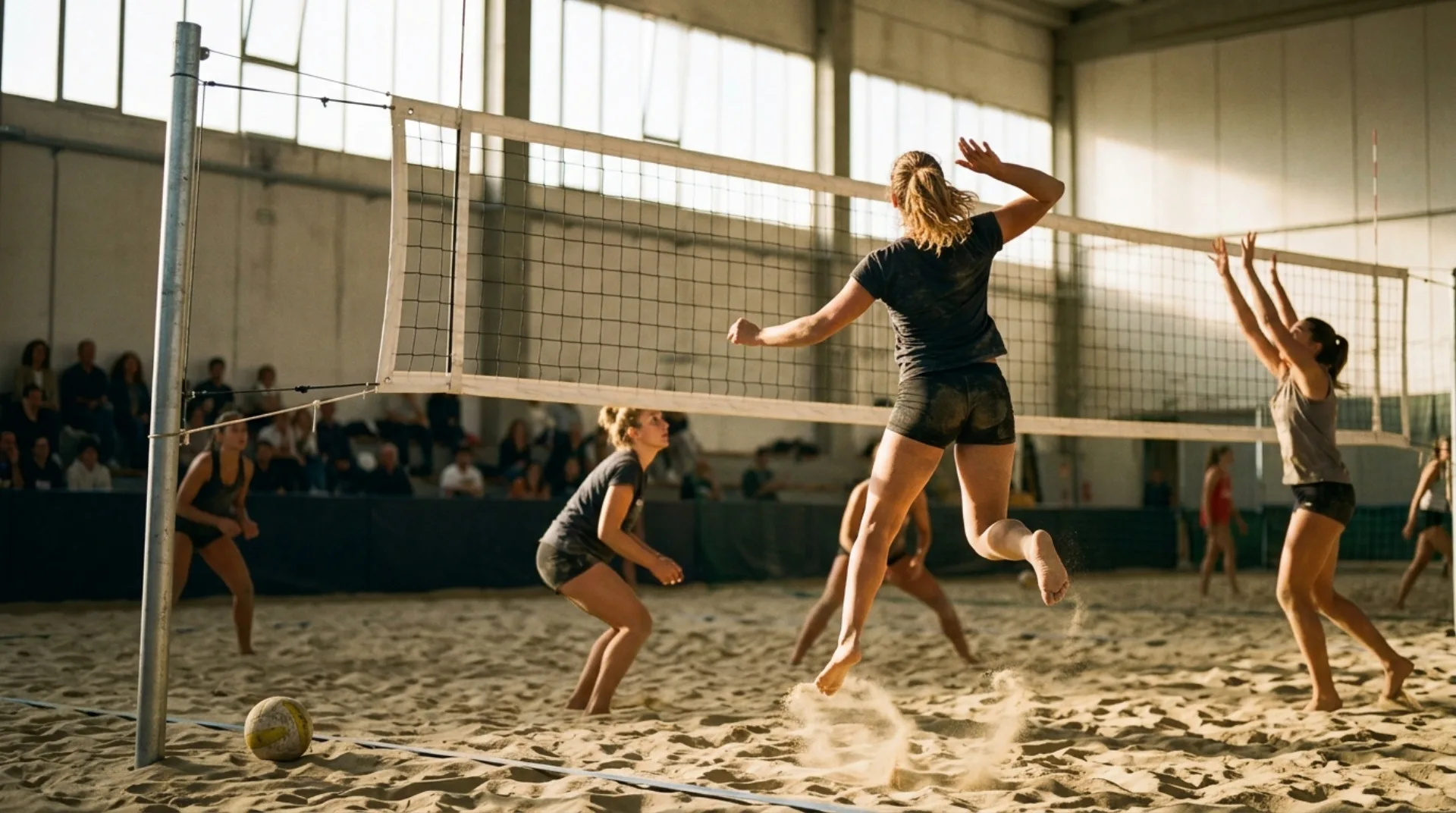
How to organise and register for an amateur volleyball tournament in Naples
Volleyball fever grips Naples after the EuroVolley debut. Here is the guide to registering for autumn tournaments, choosing courses, and organising your team without making mistakes.
The effect of great volleyball in Naples and the autumn restart
The buzz of great volleyball has reignited the desire to take to the court in Naples. On 10 September 2026, the historic Piazza del Plebiscito was transformed into a 6,500-seat open-air arena for the opening match of EuroVolley between Italy and Sweden, played in the presence of the President of the Republic Sergio Mattarella. This extraordinary event gave a decisive boost to the entire grassroots movement. With the arrival of autumn, registrations for amateur courses and mixed tournaments for adults are seeing huge interest in various areas of the city, from Ponticelli to Portici with Napoli Pallavolo ASD, up to Scampia with Athena Volley.
The Territorial Committee of the Centro Sportivo Italiano of Naples, with its more than 200 affiliated sports clubs and around 11,000 registered athletes, represents the main reference network for those who want to compete in organised leagues. For those who prefer self-management, this is the perfect time to gather friends, rent a space, and structure their own private tournament where the main goal remains having fun.
The rules of the game and measurements to know for the challenge
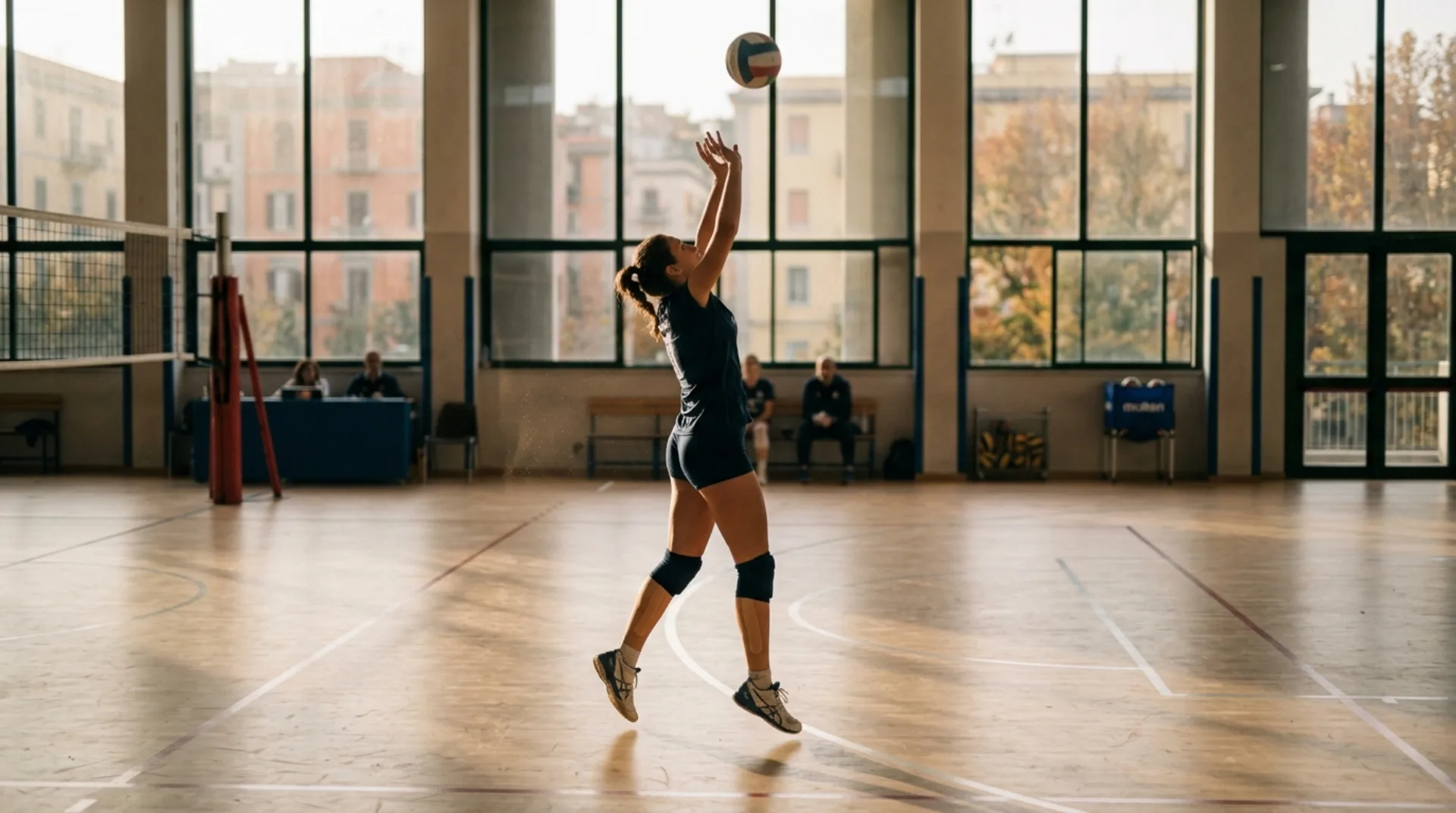
When organising a tournament or preparing a match between friends, defining clear rules avoids arguments on the court. If playing the classic six-a-side match, the official references are precise. The court must measure 18x9 metres, divided in half by a net that is set at a height of 2.43 metres for men's tournaments, while for women's it drops to 2.24 metres. For mixed tournaments or other special formats, the net height and specific rules on the number of substitutions must be checked in the regulations of the event you decide to follow.
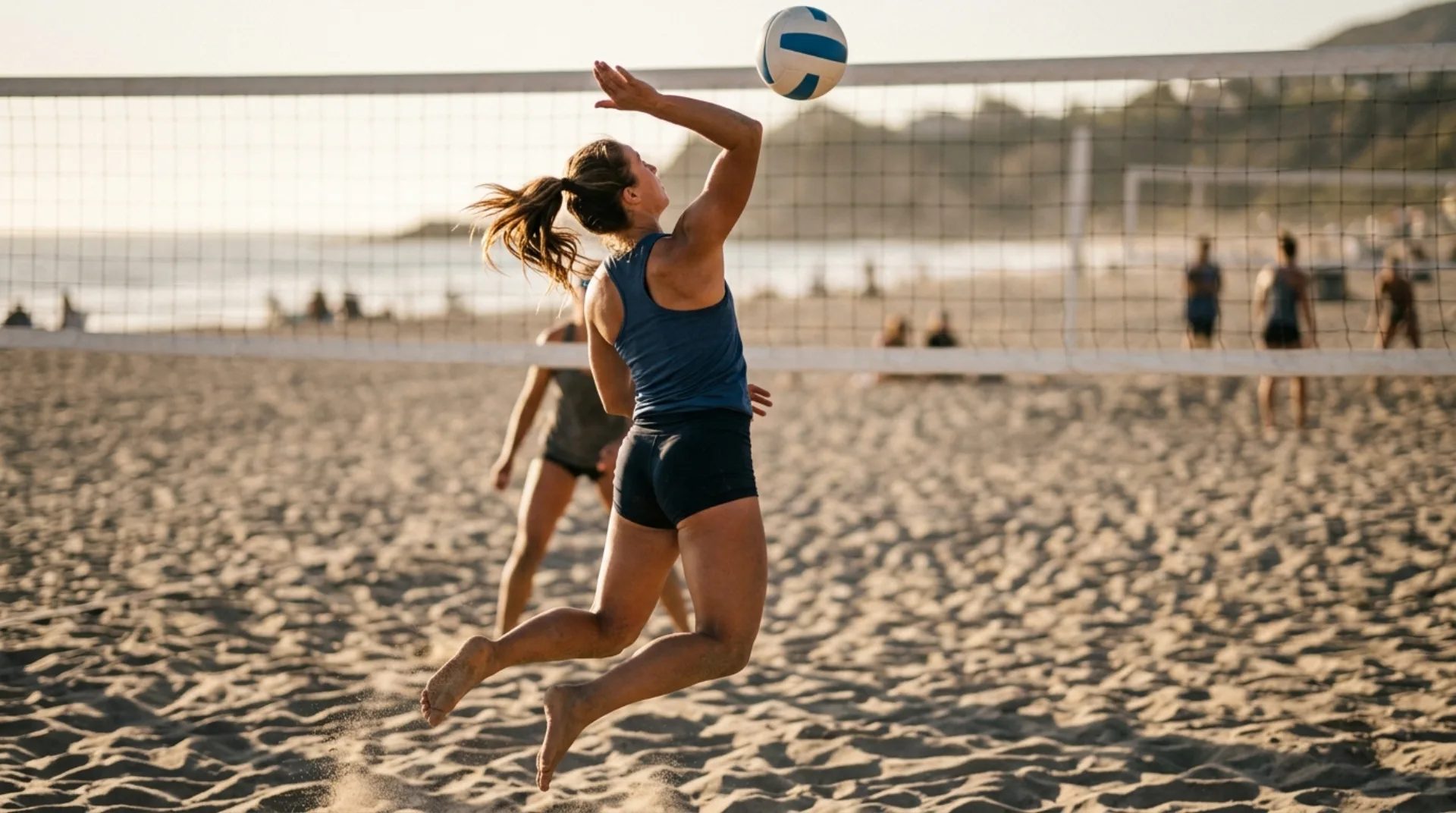
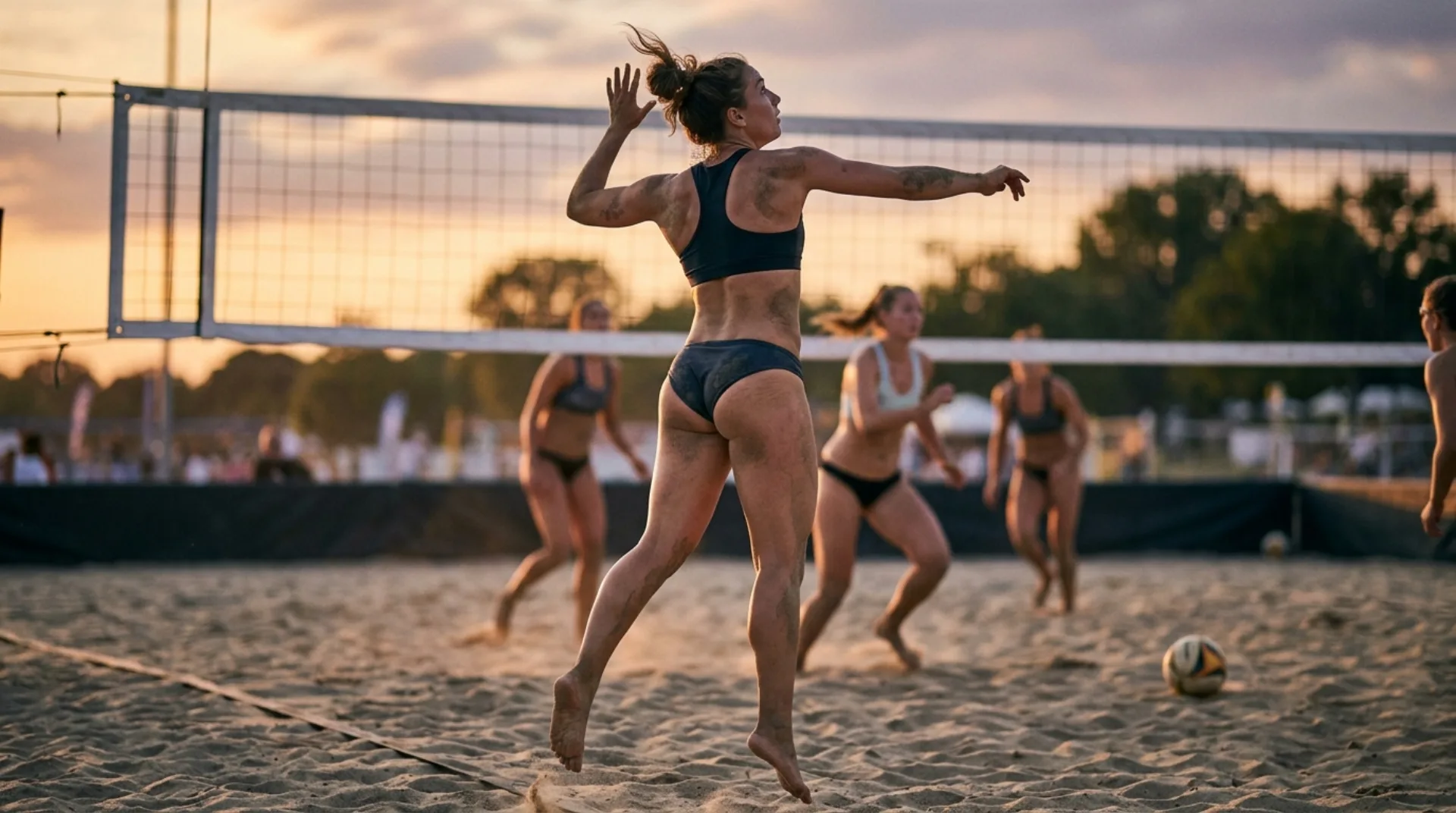
The match is divided into sets to 25 points, where to win it is necessary to accumulate at least a two-point lead over the opponents. In the event of a two-all tie in sets, a tie-break to 15 points is played, again with the two-point lead rule. If, on the other hand, you prefer the sand to extend the summer season, drawing inspiration from champions like Valentina Gottardi and Reka Orsi Toth who won the absolute national title in Caorle on 6 September 2026, remember that in two-on-two beach volleyball the court measures 16x8 metres and sets end at 21 points.
What goes wrong most often under the net in amateur tournaments
In amateur volleyball, the most common mistake is not strictly technical, but rather one of communication and positioning. Many amateur teams struggle to manage the transition phase because all players tend to follow the ball at the same time, crowding the central area and colliding.
Here are the most frequent mistakes that compromise the effectiveness of team play:
- The lack of calling: Playing in total silence leads to collisions and easy balls falling to the ground without anyone intervening. Saying "mine" or calling the ball out loud solves most defensive problems.
- The setter's zone intrusion: Often the person who has to set starts too late from their position or, conversely, the other players ignore the reception, invading the space intended for the setter.
- The emergency second touch: When the reception is inaccurate, players other than the setter tend to reject the responsibility of setting up the attack, simply sending the ball back over the net with a weak touch and giving away the play to the opponents.
Practical guidelines for improving reception and defence
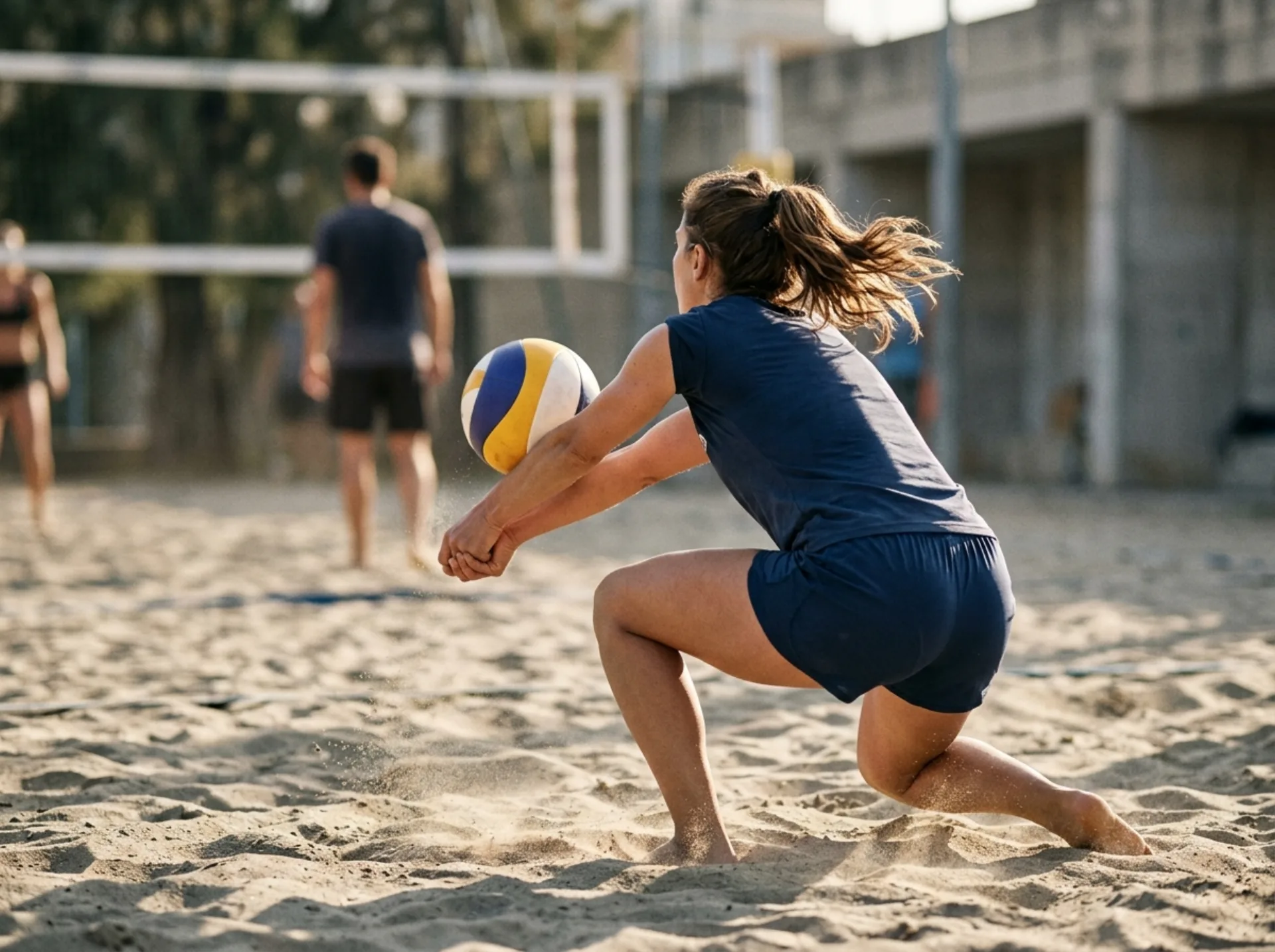
Building a fluid attacking play always starts with a good forearm pass (bagher) reception. In amateur tournaments, improving this fundamental skill drastically reduces the points conceded directly to opponents on the serve.
Here are the technical details to execute a correct forearm pass (bagher) and avoid the typical mistake:
- The technical gesture: The arms must be straight, with elbows locked and wrists together pointing downwards. This movement creates a flat and even rebounding surface, using the inner surface of the forearms. The legs must be bent, ready to follow the trajectory of the ball by pushing upwards and forwards.
- The typical amateur mistake: Bending the elbows upon impact with the ball or hitting the ball with the wrists or joined hands. This touch disrupts the trajectory and makes it impossible for the setter to manage the second touch.
- How to correct it: During training, focus on keeping your arms locked before contact with the ball. The push must come exclusively from the legs and shoulders, without swinging the arms upwards. The rebounding surface must remain oriented towards the setting zone, usually positioned in the middle of the net.
How to organise the team with a group of friends
If you want to test yourselves and create an autumn tournament in Naples, the first step is to define the format and find court availability. You can rely on school facilities or local sports centres that rent out evening slots. To manage attendance, avoid being short-handed at the last minute, and plan the playing shifts, a group of friends can easily organise themselves by defining clear roles and rotations right from the start of the season. Coordinating in a simple way allows you to focus only on the fun and the passion for this sport.