Weekend beach and green volley tournaments and how to tackle them
Discover this weekend's amateur tournaments in Italy, from Tirrenia to Bari, and practical tips to avoid positioning errors on court.
The end of August is the golden age for amateur tournaments: the days are still long, the chemistry between friends is at its peak and the desire to play shows no signs of waning. Today, Saturday 22 August 2026, the court schedule is packed all over Italy. Those taking to the court this weekend face very different playing formats: from classic 2v2 beach volleyball on sand to mixed 3v3 or 4v4 tournaments, right up to green volley challenges on grass. Knowing how to adapt quickly to these different setups is the key to having fun and, why not, bringing home the win.
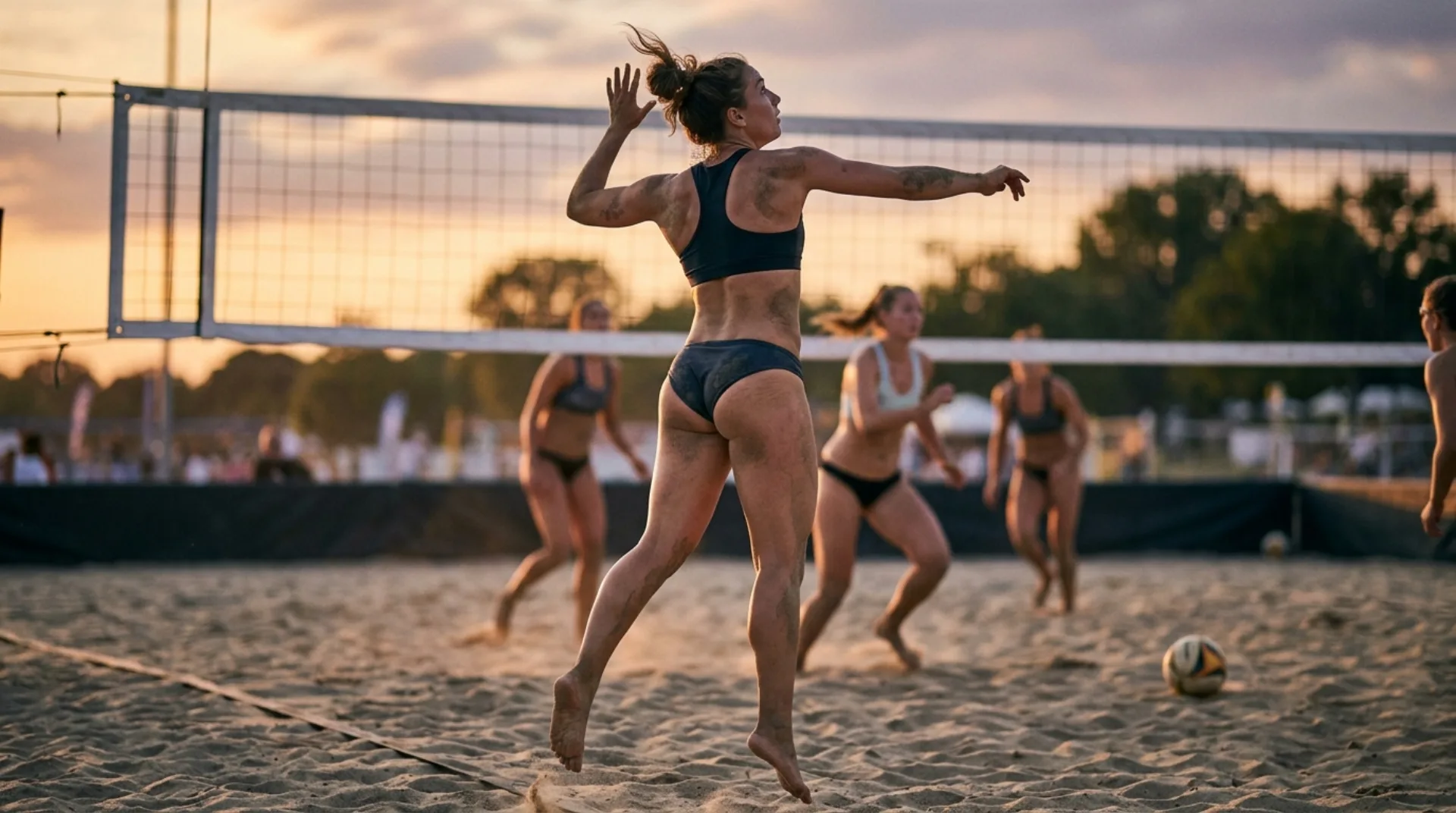
This weekend's events clearly demonstrate this. In Tirrenia today, an amateur mixed 2v2 tournament is being played, combining sport and music on the beach. Tomorrow in Terracina, a charity mixed 3v3 tournament, the Memorial Altamura, takes place, while in Bari preparations are underway for a free night tournament on Pane e Pomodoro beach with mixed 4v4 and 3v3 formats. Those who prefer grass can look to Roccavione, where registration is open for a green volley tournament with the specific "Family" and "Friends" formats. Each format requires a different tactical approach, but the goal remains the same: to cover the court intelligently and avoid the usual positioning errors.
From 2v2 to mixed play: how space on court changes
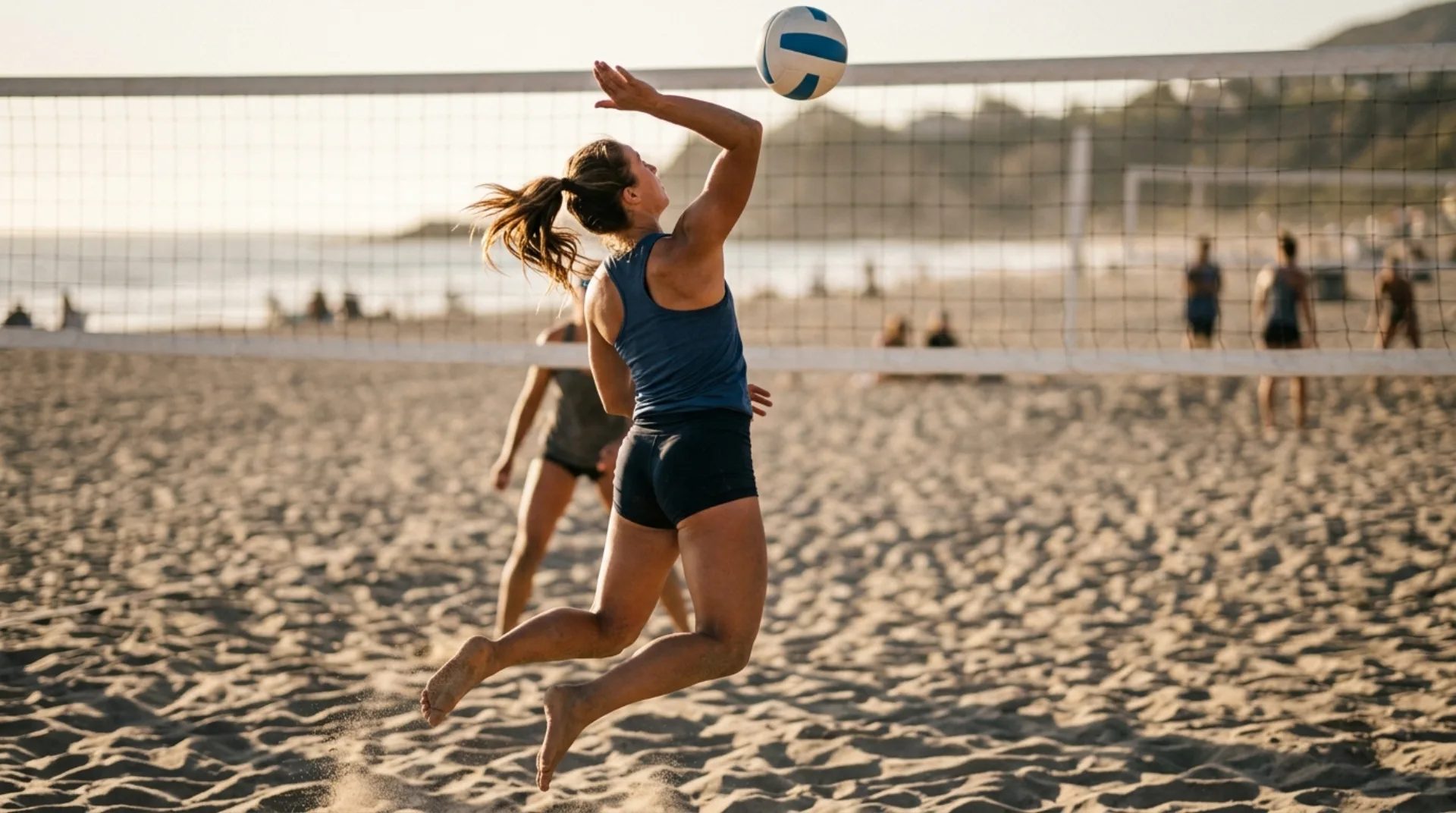
The main difference between the various summer formats lies in the space each player must cover and the number of teammates to interact with. In standard 2v2 beach volleyball, the court measures 16x8 metres and sets are played to 21 points, with a potential tie-break to 15. In this setup, communication must be continuous and immediate: a split second of hesitation is enough to leave a portion of the court unguarded.
When moving to mixed formats such as 3v3 or 4v4, which are very common in summer amateur tournaments, space management changes radically. For example, in the Bari night tournament, the 4v4 format allows a maximum of two men on court, while the 3v3 requires a maximum of two men and at least one woman. Many amateurs make the mistake of thinking that having more teammates on court means working less. In reality, without clear organisation, the risk is getting in each other's way or conceding points on short tips because everyone is waiting for their teammate to step in. As for the specific rules of these variations, such as net height or mandatory rotations in mixed tournaments, the exact value must always be checked in the event regulations.
The typical amateur error in mixed tournaments
The most common error found in summer amateur tournaments on sand is the lack of responsibility for one's own area of competence, combined with overly static positioning. Often, you see three or four players watching the ball drop exactly in the middle of the court, convinced that someone else should have intervened.
In mixed formats, instinct often leads physically more active players to invade their teammates' space, creating confusion and leaving entire areas of the court uncovered. On sand, moving late due to a poor reading of the trajectory is fatal, as foot reactivity is limited by the instability of the ground. The golden rule is to define before the starting whistle who covers the short zone close to the net and who takes care of the deep defence, always maintaining an active starting position, with knees bent and body weight projected forward.
Practical guidelines for team reception and defence
To avoid being caught unprepared during the weekend tournaments, here is a practical guide to organising the reception and defence phase, focusing on the fundamental technical gesture of the forearm pass (dig).
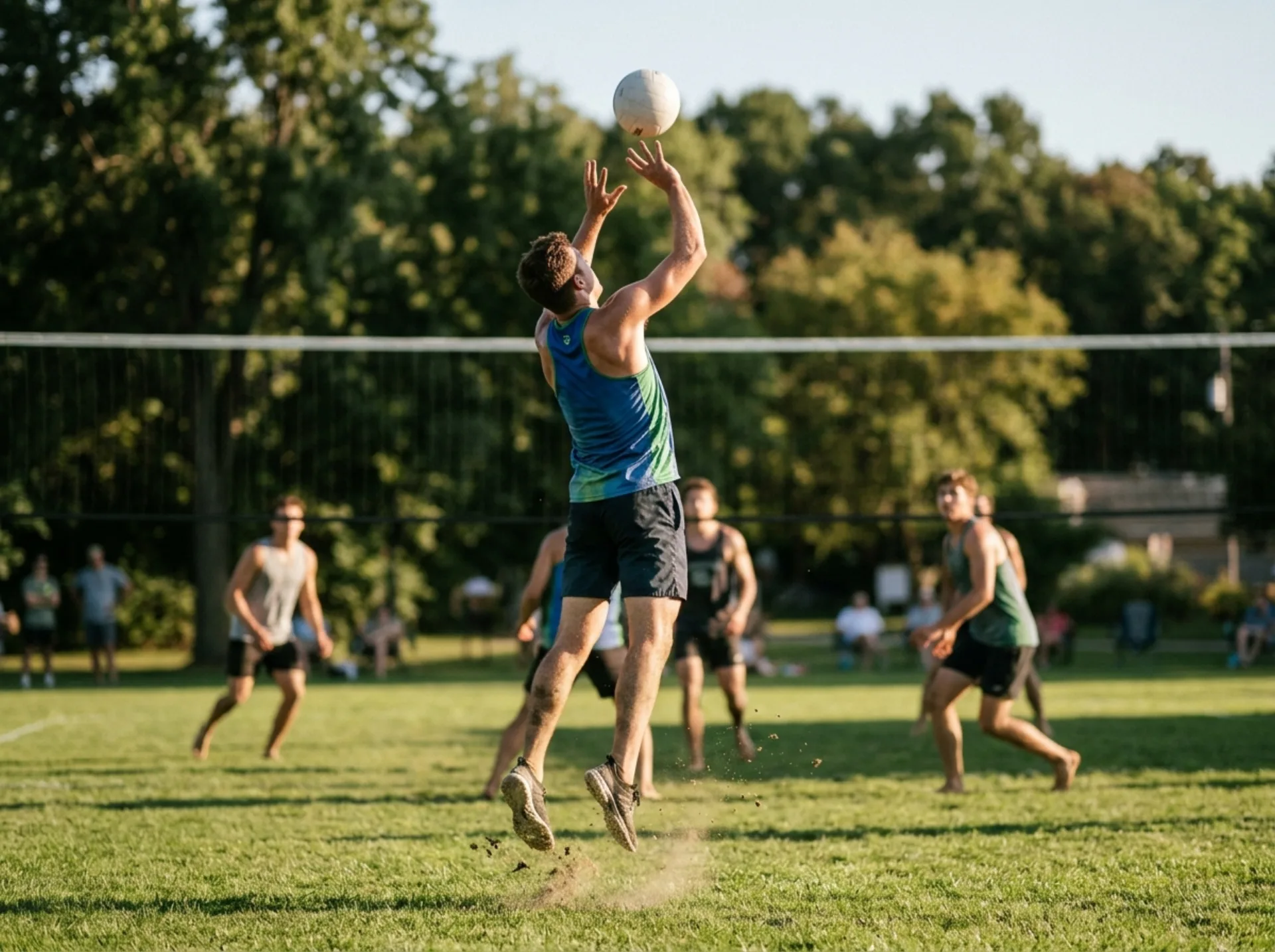
- Court measurements and references: If you are playing a 2v2 beach volleyball tournament, keep in mind that the court measures 16x8 metres. If, on the other hand, you are participating in a traditional 6-a-side volleyball tournament, for example on grass or in indoor tournaments, the standard court measures 18x9 metres, with the net set at 2.43 metres for men and 2.24 metres for women; sets are played to 25 points with a two-point lead and a potential tie-break to 15 points. For any other amateur, mixed, youth or green volley format, the net height and court dimensions must be checked in the event regulations.
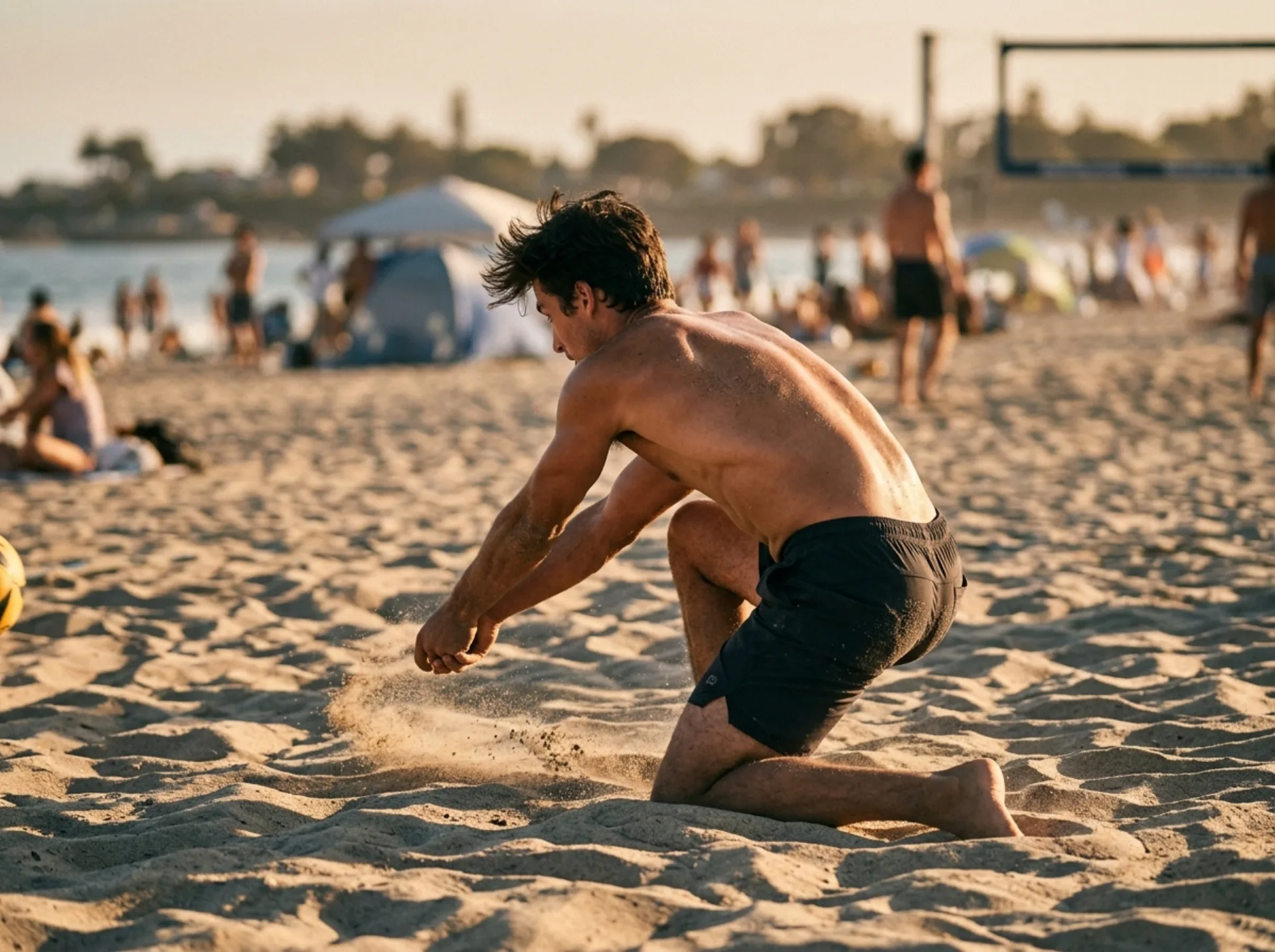
- The technical gesture (the forearm pass/dig): To execute a stable dig on sand, join your hands by overlapping your palms and pointing your thumbs downwards. This movement allows you to bring your forearms together, creating a flat and uniform impact surface, defined as the platform. Your legs must be bent to cushion the blow and give direction to the ball, using the drive from your thighs rather than the swing of your arms.
- The typical error in the dig: Bending your elbows at the moment of impact or hitting the ball with your wrists or biceps. This error causes you to completely lose control of the trajectory, giving an easy ball to the opponents or committing a double contact fault.
- How to correct it: Lock your elbow joints before the ball arrives and keep your arms straight and away from your chest. Guide the ball by directing the rebound angle towards the teammate who has to set, without making sudden upward movements with your shoulders.
The right spirit to take to the court
Beyond technique, what makes the weekend events unique is the atmosphere around the courts. Events like the Hawaiian Beach Party in Tirrenia show that amateur sport is first and foremost an opportunity to be together, make new friends and share a passion for volleyball. Even major international events thrive on this enthusiasm: in Modena, for example, the local committee is recruiting young court assistants aged 13 and over for the Beach Pro Tour Future stage at the end of August, a unique opportunity to experience great beach volleyball up close.
Whether you decide to register for an official tournament or organise a game among friends in the backyard court, the important thing is to take to the sand or grass with the right spirit. If you want to plan your weekend challenges and find other enthusiasts in your area, you can use the VolleyFriends app to coordinate quickly and easily, keeping track of attendance and setting the details of your next match.